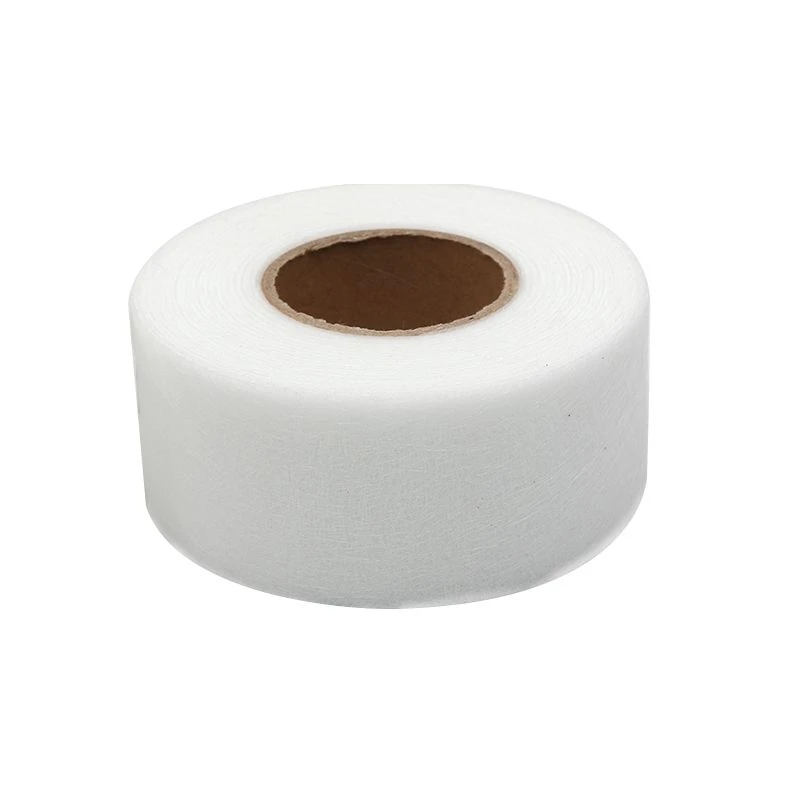
Fiberglass Tissue for Surface Finishing, Reinforcement & Construction


Fiberglass tissue is a nonwoven glass fiber material used for surface finishing, reinforcement, and specialized construction applications. We supply tailored solutions for composite manufacturers, building material producers, and industrial distributors.


  • Fiberglass Tissue Mat

    YONGGU Fiberglass Tissue Mat is a wet-laid E-glass reinforcement material for waterproofing membranes, asphalt shingles and composite products.

  • Decorative Fiberglass Mat

    Decorative Fiberglass Mat is a non-woven, wet-laid E-glass tissue designed for composite boards, ceiling tiles, and wall panels.

  • Alkali Resistant Fiberglass Tissue

    Alkali Resistant Fiberglass Tissue is a nonwoven mat made from high-zirconia AR glass fibers for cement boards, GRC panels, roofing membranes, and composite surface reinforcement.

 
Fiberglass Tissue Composition & Material Structure

Glass Fiber Composition:

E-glass is commonly used for general-purpose fiberglass tissue, while alkali-resistant (AR) glass containing zirconia (ZrO₂) is designed for selected cementitious and alkaline environments.

Binder System:

Thermosetting or thermoplastic polymer binders, depending on the product design, hold the fibers together and influence tensile strength, flexibility, porosity, and compatibility with subsequent processing.

Fiber Distribution & Porosity:

Fiber dispersion, pore structure, and web uniformity affect liquid penetration, coating uptake, surface consistency, and handling stability.

Basis Weight & Thickness:

Basis weight, expressed in g/m², and thickness influence material coverage, resin or coating demand, and the physical profile of the finished laminate or panel.


Product Selection: Compare Our Three Fiberglass Tissue Subcategories


Product

Key Selection Criteria

Typical Applications

Fiberglass Tissue Mat

Resin wettability, surface uniformity, and process compatibility

FRP products, pipes, tanks, composite components

Decorative Fiberglass Mat

Texture, surface uniformity, decorative effect, and coating/lamination compatibility

Decorative panels, wall finishes, architectural surface materials

Alkali Resistant Fiberglass Tissue

Alkali resistance, long-term exposure performance, and substrate compatibility

Cement-based products, construction boards, compatible building systems


Surface Treatment & Processing Characteristics

Our surface treatment and binder systems are engineered to deliver consistent performance across resins, coatings, adhesives, and cementitious matrices.

Sizing & Interfacial Compatibility

Silane coupling agents are applied where required to enhance interfacial adhesion between the glass surface and polymer matrix, improving mechanical performance and long-term durability.

Resin Wet-Out & Impregnation

Optimized fiber distribution and binder solubility shorten wet-out time and ensure uniform impregnation, improving line efficiency and surface layer consistency. Typical wet-out: 30–90 seconds depending on resin viscosity and process temperature.

Fiberglass Surface Tissue
Fiberglass Surface Mat

Coating & Lamination Compatibility

Controlled porosity and uniform surface structure support strong adhesion with coatings, adhesives, and laminating systems. Compatibility can be validated with your actual formulation under production conditions.

Thermal Behavior & Binder Stability

Binders are selected for thermal resistance up to 180°C (grade-dependent), maintaining web strength and dimensional stability through drying and curing. Recommended processing temperatures are confirmed per grade before high-temperature integration.


Engineering & Manufacturing Excellence
 

Strict Quality Assurance:

Online optical inspection for hole detection, thickness consistency, and mass-per-unit-area verification.

Tested & Certified:

Products strictly conform to ASTM, EN, and ISO testing standards. Batch test reports (COA) provided with every shipment.


Customized Fiberglass Tissue for B2B Requirements

Different production lines and finished products may require different tissue properties. Subject to technical feasibility and minimum order requirements, customization can be evaluated for:

Area weight and roll dimensions
Fiber composition and binder system
Surface characteristics and process compatibility
Packaging configuration and labeling requirements

Alkali Resistant Fiberglass Tissue suppliers


Environmental Responsibility & Building Material Safety

We help buyers meet environmental and regulatory requirements with low-emission materials, compliance documentation, and responsible-use guidance.

Low-Emission Selection:

Low-VOC grades available for interior applications, with emission test reports for the full material system.

01

Chemical Compliance:

Products can comply with EU REACH and SVHC obligations, supported by declarations and test reports.

02

Indoor Air Quality:

Proper handling and encapsulation minimize fiber and dust exposure during cutting and installation.

03

Waste Management:

Optimized roll utilization and cutting plans reduce waste; packaging and disposal follow local regulations.

04


How to Specify Fiberglass Tissue for Your Project

To receive a suitable product recommendation and quotation, please share:

End application: FRP, decorative panels, cement-based products, or another application.

>>

Required specifications: Area weight, width, roll length, and relevant strength or durability requirements.

>>

Processing method: Hand lay-up, winding, coating, lamination, or other production methods.

>>

Compatibility requirements: Resin type, coating system, or alkaline exposure conditions, as applicable.

>>

Order quantity: Trial samples, initial production order, or recurring bulk demand.

Packaging & International Shipping

Roll Specifications:

Custom roll widths, diameters, and net/gross weights confirmed to your order.


Protective Packaging:

Each roll wrapped in moisture-barrier film, with optional carton or pallet packing for extra protection.

Export Marking & Documentation:

Shipping marks, labels, and full export documents prepared to your requirements.

Logistics Coordination:

Production lead time, shipment schedule, and delivery terms (FOB, CIF, DDP, etc.) confirmed before dispatch.

Lead Time:

7–14 days for standard specifications; 20 days for custom formulations or special dimensions.


Frequently Asked Questions


Q:What is fiberglass tissue used for?

A:It is used for composite surface finishing, decorative building materials, and specialized construction reinforcement, depending on its composition and design.

Q:What is the difference between Fiberglass Tissue Mat and Decorative Fiberglass Mat?

A:Fiberglass Tissue Mat focuses on surface finishing and process performance in composite applications, while Decorative Fiberglass Mat emphasizes surface appearance and compatibility with decorative finishing systems.

Q:How do I choose the correct area weight?

A:Consider coverage, resin or coating uptake, handling strength, and finished-product requirements, then confirm the grade through technical data or sample testing.

Q:Is Alkali Resistant Fiberglass Tissue suitable for all cement-based products?

A:No, suitability depends on the fiber's alkali resistance, exposure conditions, cementitious formulation, and required service life, so please review test data before selection.

Q:Can fiberglass tissue be customized to different roll widths?

A:Yes, customization is available depending on production capability, material grade, and order quantity—just provide your required width, roll length, and tolerances.

Q:Can I request samples before bulk purchasing?

A:Yes, sample availability depends on the product grade and order arrangement, so share your application and specifications and we will confirm what we can provide.

Q:What information is needed for a quotation?

A:Please provide the product type, target specifications, estimated order quantity, destination country, and any packaging or documentation requirements.

Q:How should fiberglass tissue be stored?

A:Keep rolls in their original protective packaging in a clean, dry environment, away from moisture and physical damage, and follow the storage instructions for the specific grade.

Q:Can fiberglass tissue be used with different resin systems?

A:Compatibility depends on the fiber sizing, binder chemistry, and resin formulation. Confirm suitability through technical documentation or application testing.

Q:Does fiberglass tissue have a limited shelf life?

A:Shelf life depends on the binder system, packaging, and storage conditions. Follow the supplier's recommended storage period and inspect the material before use.

Q:Can fiberglass tissue be supplied with batch traceability?

A:Batch traceability may be available depending on the supplier's quality management system. Confirm batch identification, inspection records, and documentation requirements before ordering.

As one of the most professional fiberglass tissue manufacturers and suppliers in China, we have world-leading production equipment and strong manufacturing capabilities. Please feel free to wholesale customized fiberglass tissue made in China here from our factory. For price consultation, contact us.

Send Inquiry